Angular, Succedent & Cadent Houses: The Hidden Rhythm of Your Chart
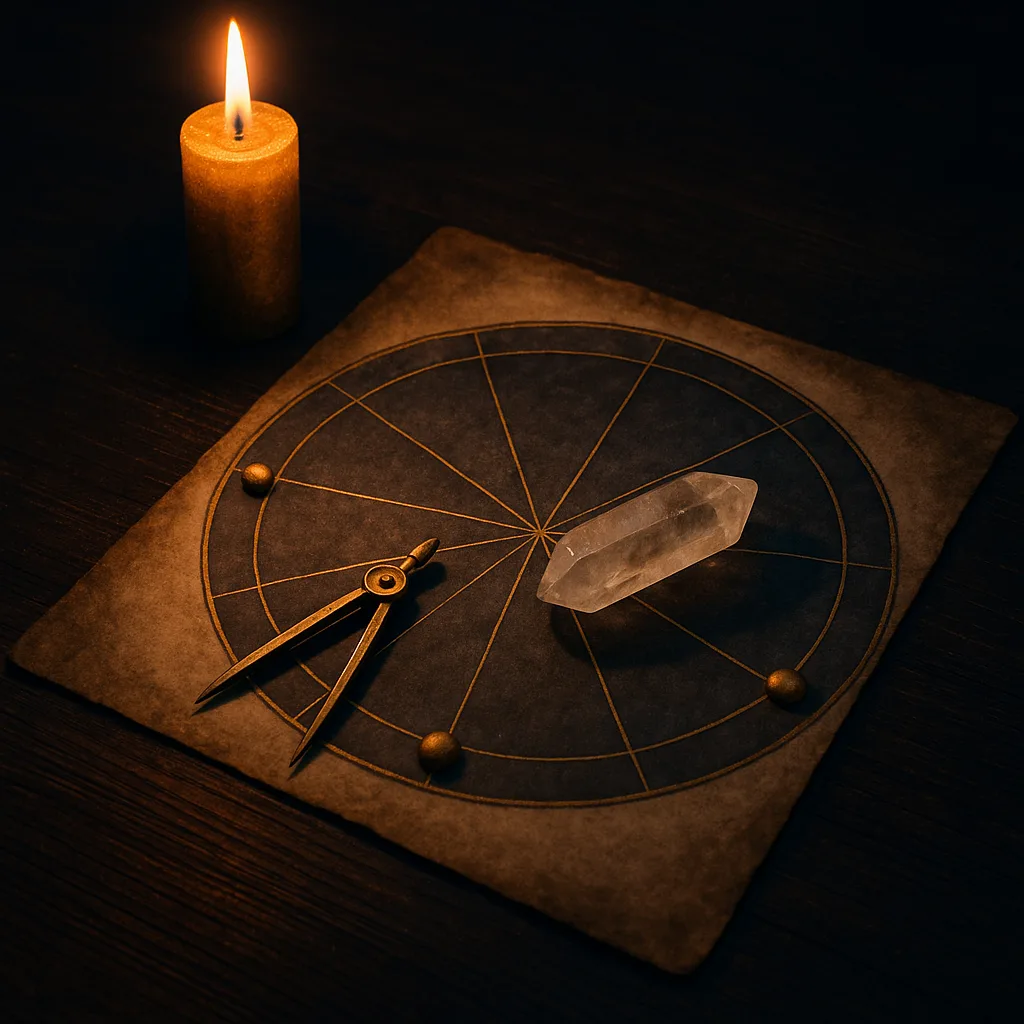
The 12 houses, in quick strokes
With the overall rhythm in mind, it's worth briefly revisiting the territory of each house — not as separate drawers, but as part of its group within the larger cycle:
- House 1 (angular): identity, body, the way you show up in a room.
- House 2 (succedent): material resources, self-worth, your relationship with value.
- House 3 (cadent): communication, everyday learning, siblings, quick exchanges.
- House 4 (angular): home, family of origin, emotional roots.
- House 5 (succedent): creativity, romance, pleasure, children.
- House 6 (cadent): routine, daily work, health and habits.
- House 7 (angular): partnerships, marriage, contracts, the other.
- House 8 (succedent): deep transformation, intimacy, shared resources.
- House 9 (cadent): philosophy, long journeys, expansion of beliefs.
- House 10 (angular): career, vocation, public image.
- House 11 (succedent): friendships, groups, collective projects.
- House 12 (cadent): the unconscious, spirituality, healing and retreat.
And what if a house is empty?
A classic question from anyone starting to look at their own chart: 'My House 5 doesn't have any planets in it — is that bad?' Not at all. An empty house doesn't mean there's no life in that area — it just means it's managed more indirectly, through the planet that rules the sign sitting on its cusp. That planet is called the ruler of that house, and it's the one to look at when you want to better understand a territory with no planets of its own. It's like a room with no furniture on display: it still exists, the decor is just tucked away in another room of the house.
This distinction between the universal meaning of each house and its specific ruler in an individual chart is known among astrologers as house rulership — and it's one of the reasons why two people with the same 'empty' house can experience that area of life in very different ways.
Not every astrologer divides the sky the same way
A technical detail that tends to surprise people: not all astrology systems calculate houses in exactly the same way. The Placidus system is the most common in today's apps and software, but there's also the Whole Sign system, an older method used by astrologers in ancient Greece and Rome, which has been enjoying a strong revival among students of traditional astrology today. There are also systems like Koch, Regiomontanus, and Campanus, each with its own geometric logic. This diversity doesn't invalidate any single approach — it simply shows that astrology, like any living symbolic language, has been studied, questioned, and reinvented for millennia.
A chart that breathes
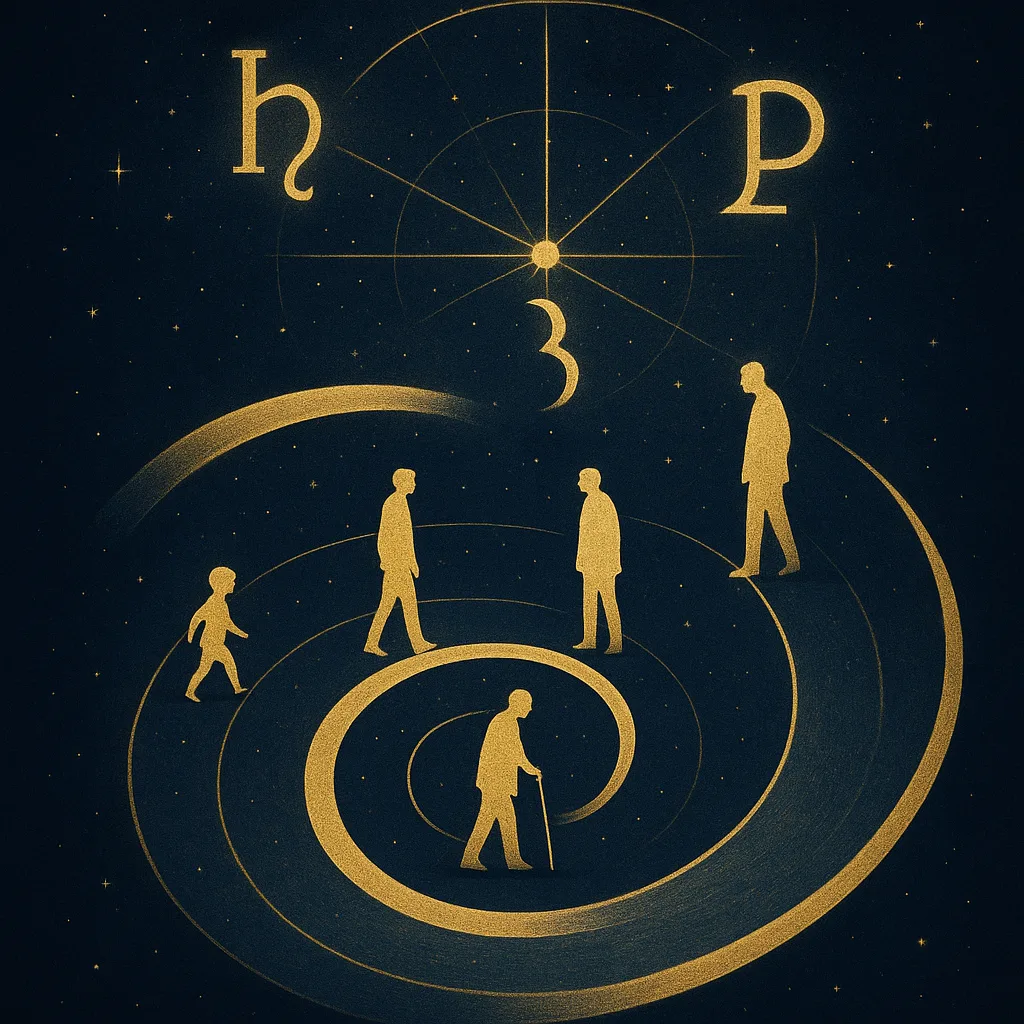
Looking at the houses through this rhythm — angular, succedent, cadent — is like realizing your life isn't a collection of fixed drawers, but a continuous movement of beginning, sustaining, and transforming. Next time you pull up your birth chart, try noticing not just what's in each house, but what role it plays in this larger cycle. That's where astrology stops being a list of memorized meanings and starts sounding like what it always was: a mirror of life's own movement.
Recomendado
Astro Reflexo
Descubra o que os astros revelam sobre quem você é. Em menos de um minuto, calculamos seu Sol, Lua e Ascendente com precisão astronômica e uma inteligência artificial escreve um resumo personalizado só para você.