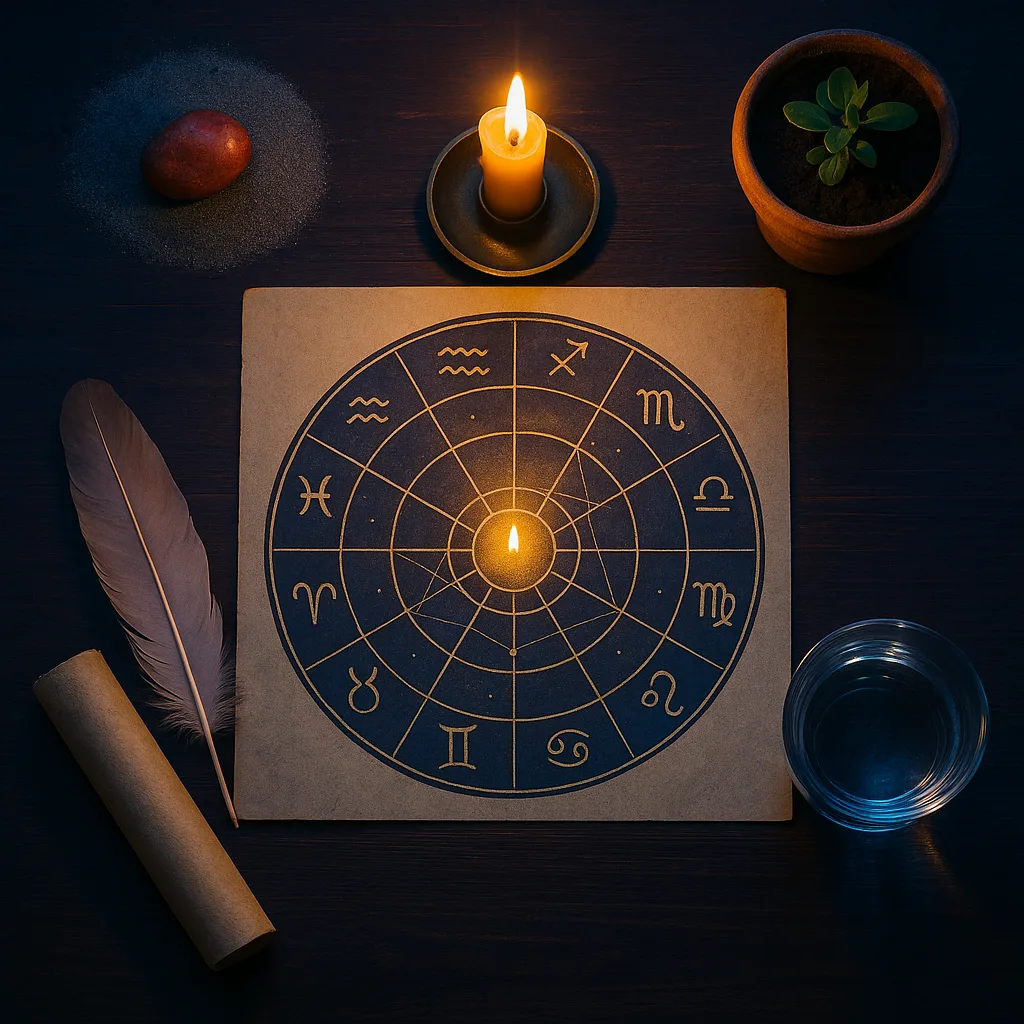
Sun, Moon, and Rising Sign: The Astrological Trio That Reveals Who You Really Are
Why each planet's speed matters
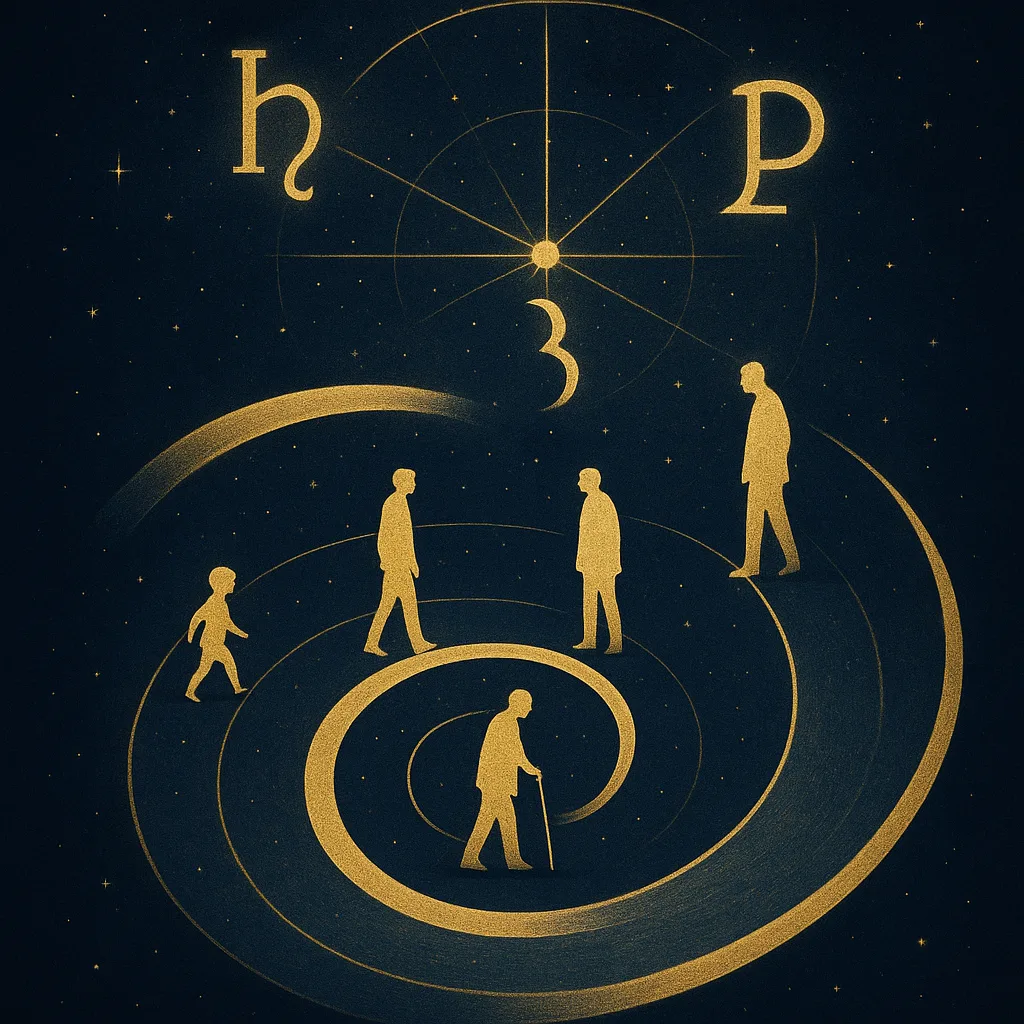
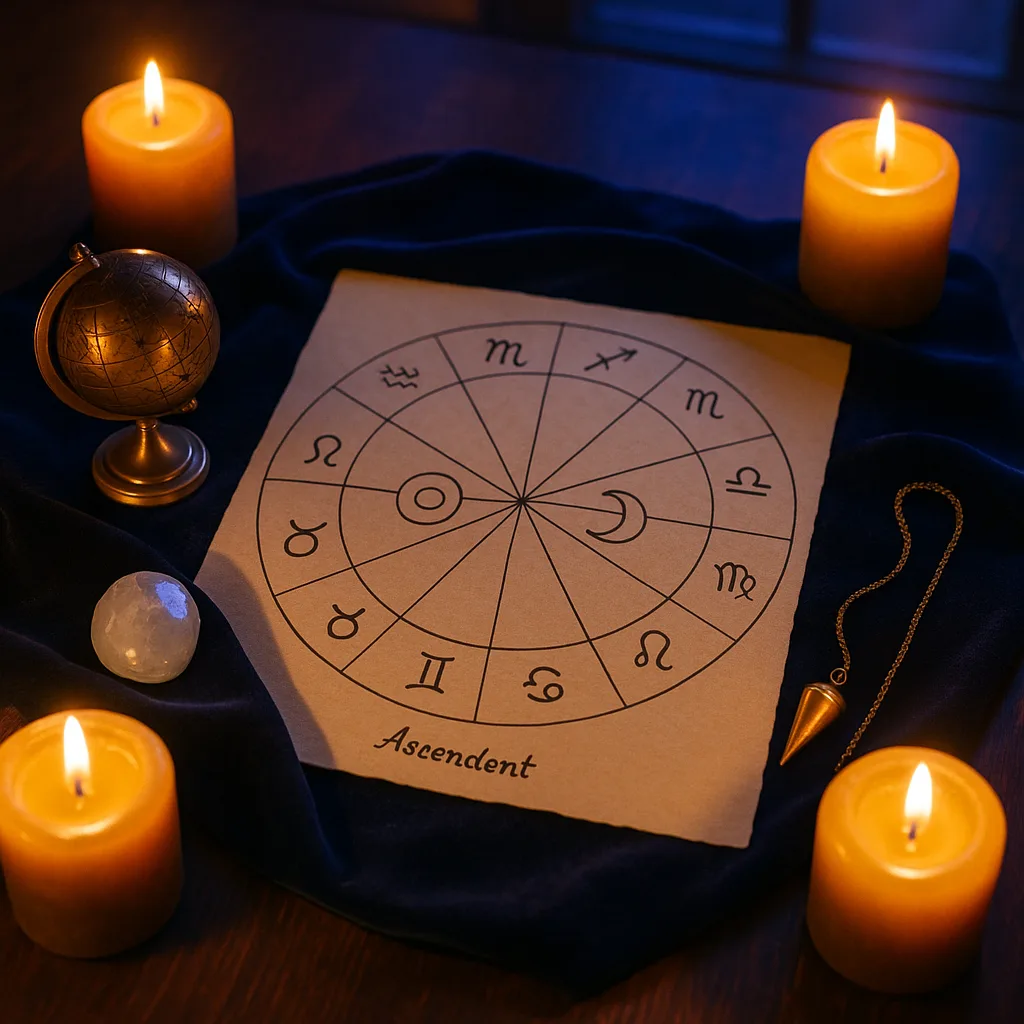
One practical way to picture the difference between these three elements is to look at how quickly each one moves through the zodiac:
- Sun: changes signs roughly once a month — making it the easiest to identify, since all you need is a birth date.
- Moon: changes signs roughly every two and a half days — requiring closer attention to the date and, ideally, the time of birth.
- Rising Sign: changes signs roughly every two hours — requiring the exact time and location of birth for a reliable calculation.
The faster a point in the sky moves, the more sensitive it is to small shifts in timing — and the more precise your birth data needs to be for an accurate reading. That's why the Rising Sign tends to be the trickiest to calculate without exact information, while the Sun is something virtually everyone knows off the top of their head.
Why people with the same sign can be so different
This is one of the most eye-opening parts of understanding the Big Three: just because two people share the same sun sign doesn't mean they'll be alike in other ways. Their Suns might match perfectly, but the Moon shapes how each person experiences and reacts to emotions, while the Rising Sign determines how each one shows up and presents themselves socially. Two Taureans, for example, might share a similar core — drawn to stability and pleasure — but if their Moons and Rising Signs differ, the way that plays out in real life can be almost opposite.
This nuance is exactly why generic horoscopes based solely on the sun sign often feel like they don't quite fit. Sticking to just the Sun is like judging a book only by its cover: it gives you a hint about the theme, but leaves out the plot details, the supporting characters, and how the story actually ends.
The Big Three as a social media phenomenon
Lately, questions like 'what's your Big Three?' have taken over platforms like TikTok and Instagram, becoming almost a way for younger generations to introduce themselves. It's no coincidence that this trend is driven largely by millennials and Gen Z, who turn to astrology less for predictions and more as a tool for self-discovery. Recent research in humanistic psychology has pointed to this use of astrology as a kind of symbolic vocabulary for expressing identity — a way to name inner feelings that are often hard to put into everyday words.
It's worth emphasizing that astrology functions, above all, as a symbolic system for self-reflection, not as an exact science backed by empirical proof — and that's exactly where its value lies: as a mirror, never as a verdict.
How to calculate your own Big Three
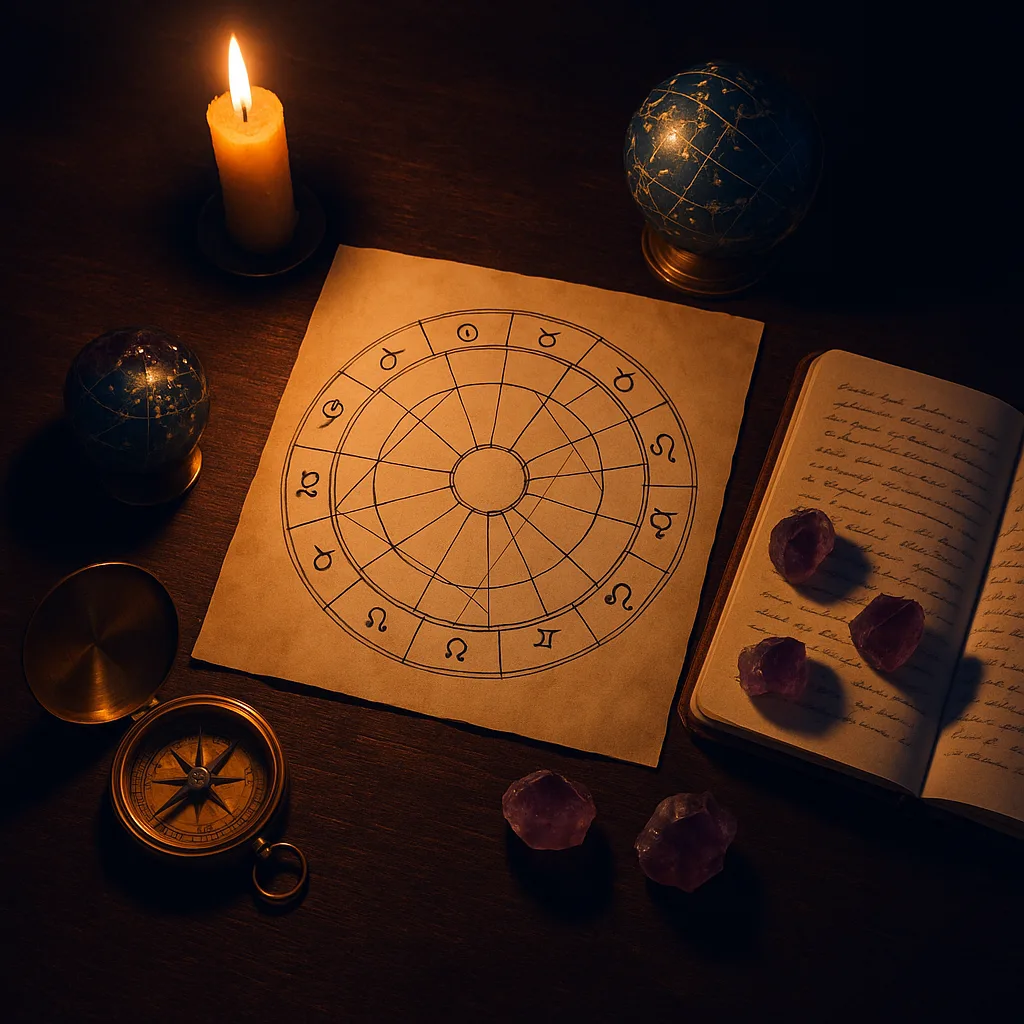
To pinpoint your Sun, Moon, and Rising Sign accurately, you'll need three pieces of information: your birth date, your exact location (city and state or country), and, most importantly, the precise time you were born — ideally taken straight from your birth certificate. With those details in hand, you can build a full birth chart that reveals not just this trio, but the entire celestial layout of that unique moment.
Discovering your Sun, Moon, and Rising Sign is like finally learning the cover, title, and subtitle of a story only you could write. None of the three on its own tells the whole tale — but together, they start to paint a picture that's much closer to who you really are, what you feel, and how you show up in the world.
Sticking to just your sun sign is like reading only the book's cover; discovering your Big Three is where the real story begins to unfold.

Recomendado
Estátua Gato Bastet Egito Antigo
Inspiração Egípcia Autêntica Representa Bastet, a deusa egípcia da proteção, harmonia e energia feminina.