The Four Elements of Astrology: Fire, Earth, Air & Water Explained
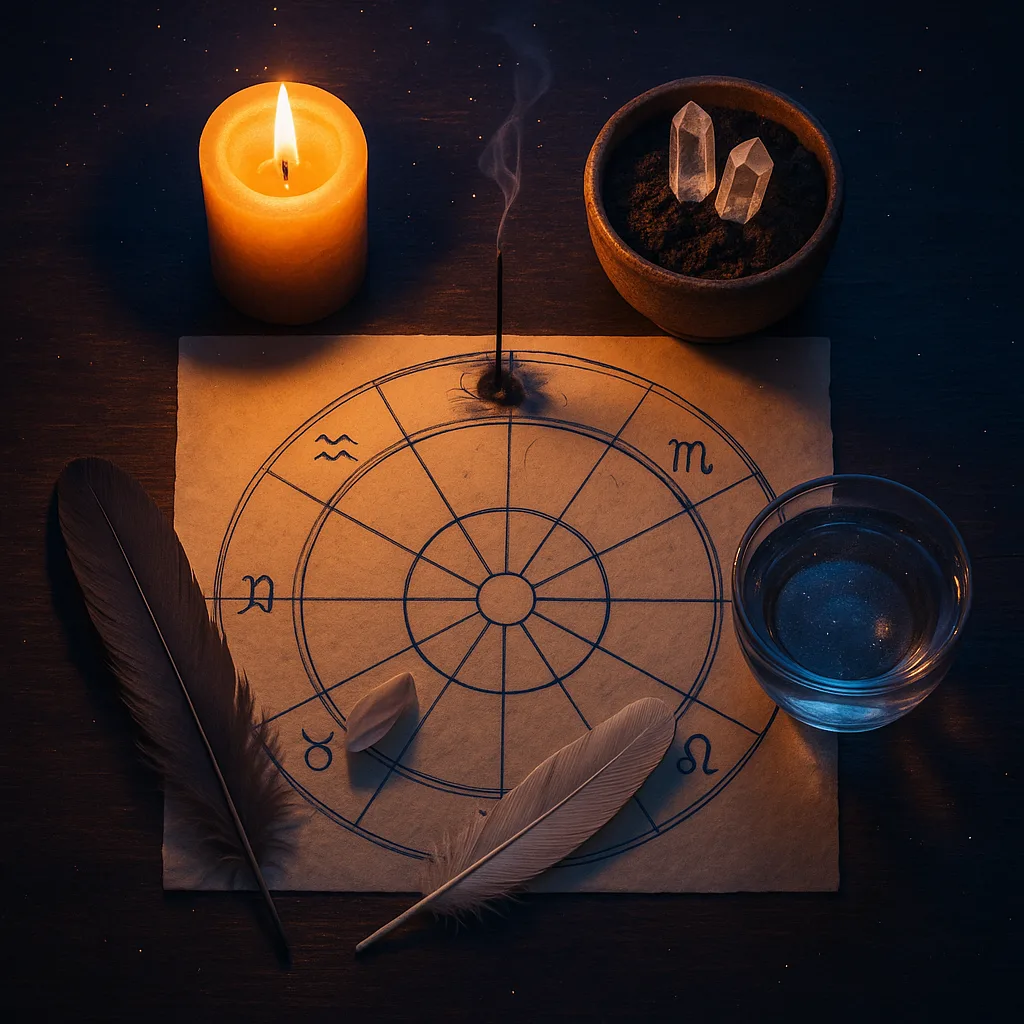
Air: thought in motion
Signs: Gemini, Libra, and Aquarius.
Air is the element of ideas, exchanges, and connections. It rules the curious mind, the need for communication, and the genuine desire to understand the world through dialogue. Those with this element prominent tend to be sociable, diplomatic, and mentally very active — always in search of new information, new people, new perspectives.
Like the wind, Air moves through without attaching itself to any fixed place, which brings lightness but can also lead to scatteredness. In excess, this element tends toward mental hyperactivity, a preference for theory over practice, or an emotional coolness that makes it hard to connect with deeper feelings. Its absence, on the other hand, can make clear communication difficult, or hinder the ability to view things with rational distance when that's exactly what's needed.
Water: the emotion that connects
Signs: Cancer, Scorpio, and Pisces.
Water is the element of feelings, intuition, and the invisible bonds that tie us to other people. Through it, we recognize that we're not alone in the world — that there's an emotional web connecting us to others and to ourselves. People with strong Water in their chart tend to be sensitive, empathetic, and deeply intuitive, capable of picking up on what's left unsaid.
When this element becomes too intense, it can bring difficulty setting emotional boundaries, an excessive attachment to the past, or more intense mood swings. A lack of Water, meanwhile, tends to show up as a certain disconnection from one's own feelings — a difficulty naming or even sensing what's happening inside, as if there were a pane of glass between the person and their own emotions.
An ancient echo: the four temperaments
It's worth opening an interesting historical parenthesis here: this fourfold division didn't originate in astrology alone. Ancient Greek medicine, through Hippocrates and Galen, already spoke of four human temperaments — choleric, melancholic, sanguine, and phlegmatic — linked precisely to fire, earth, air, and water. Astrological tradition absorbed this knowledge, and for a long time these humors were even tied to the phases of the Moon, weaving a symbolic bridge between the sky, the body, and human temperament.
It's no coincidence that, centuries later, we still use these same four words to describe both the weather and the human heart.
Your dominant element: what your chart reveals
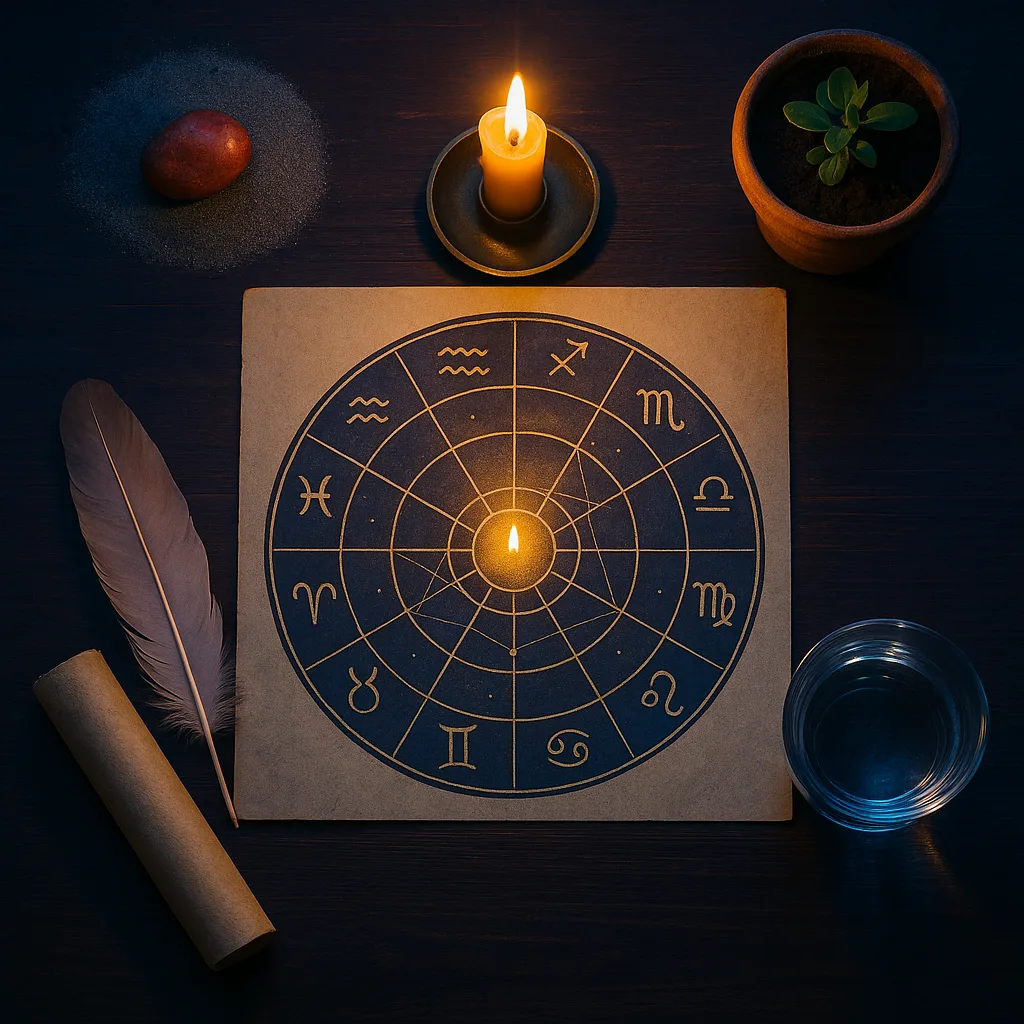
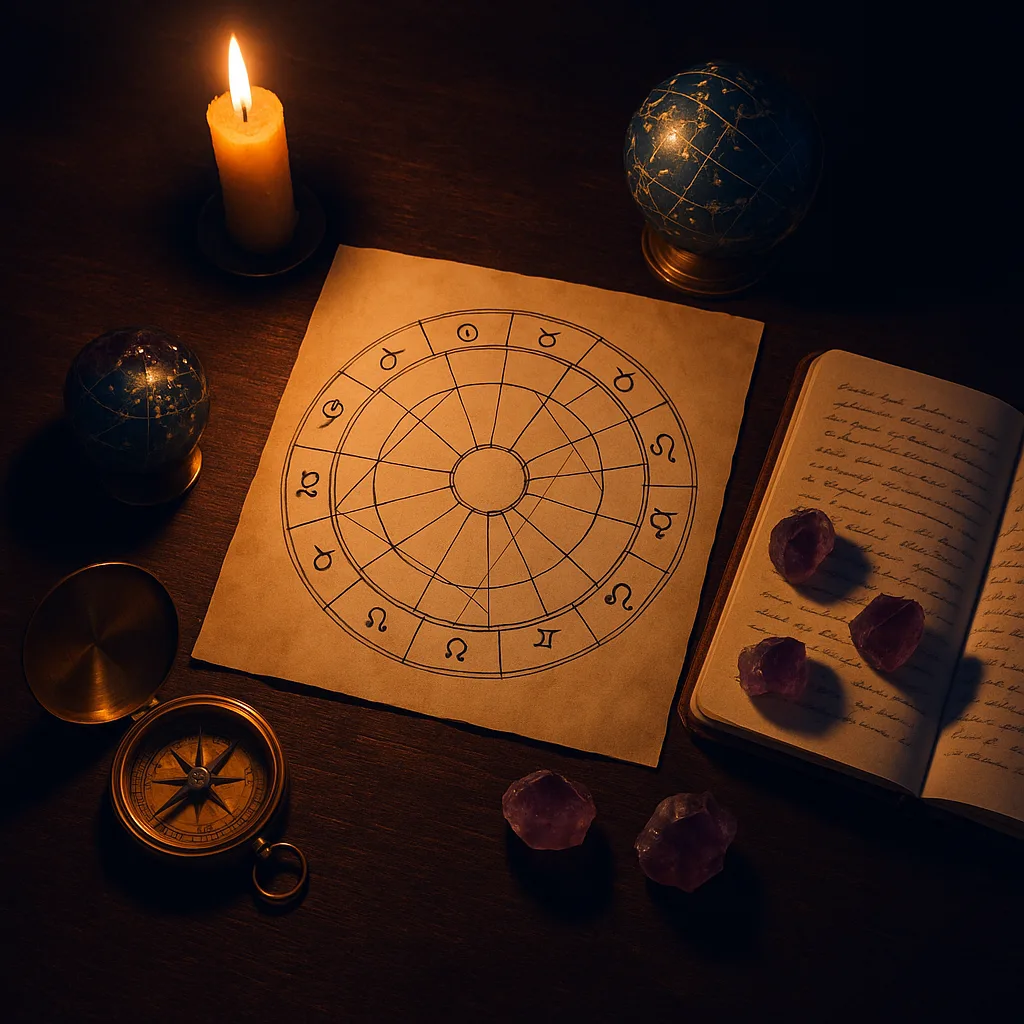
A common mistake is thinking that knowing your sun sign is enough to know your element. In practice, a birth chart is made up of many planets, each placed in a sign — and therefore linked to a different element. It's the sum of all these placements that reveals which energy dominates your chart, and which one is running low.
Someone with the Sun in Taurus (Earth) might have the Moon in Sagittarius (Fire), Mercury in Gemini (Air), and Venus in Cancer (Water) — carrying a bit of every element in different proportions. When one element appears in excess in the chart, it usually points to especially strong traits, but also potential excesses to keep in check. When an element is missing or very faint, it may point to an area of growth worth cultivating with a bit more attention throughout life — not as a flaw, but as an invitation to grow.
Elements and modalities: the winning combination
To deepen this reading even further, each element pairs with a modality — cardinal, fixed, or mutable — forming the unique archetype of each sign. Aries, for example, is cardinal Fire: the force that kicks off something new, breaking through barriers to move forward. Leo is fixed Fire, sustaining that flame with steady constancy, while Sagittarius is mutable Fire, expanding that energy through exploration and the search for meaning. This crossing of element and modality is what makes each of the 12 signs so distinct, even within the same elemental group.
A symbolic compass, not a sentence
More than fixed labels, the four elements work as a compass for understanding tendencies, inclinations, and areas of balance worth developing. No element is better or worse than another — each has its own gifts and challenges, and life tends to invite us to grow exactly what we exercise the least naturally. Looking at your own chart through this elemental lens is a gentle invitation to self-knowledge: not to fit into a box, but to better understand your own rhythm — and, perhaps, to move a little more gracefully between the fire that drives us, the earth that sustains us, the air that connects us, and the water that lets us feel.

Recomendado
Estátua Gato Bastet Egito Antigo
Inspiração Egípcia Autêntica Representa Bastet, a deusa egípcia da proteção, harmonia e energia feminina.