Astrology Myths: 5 Common Misconceptions Worth Clearing Up
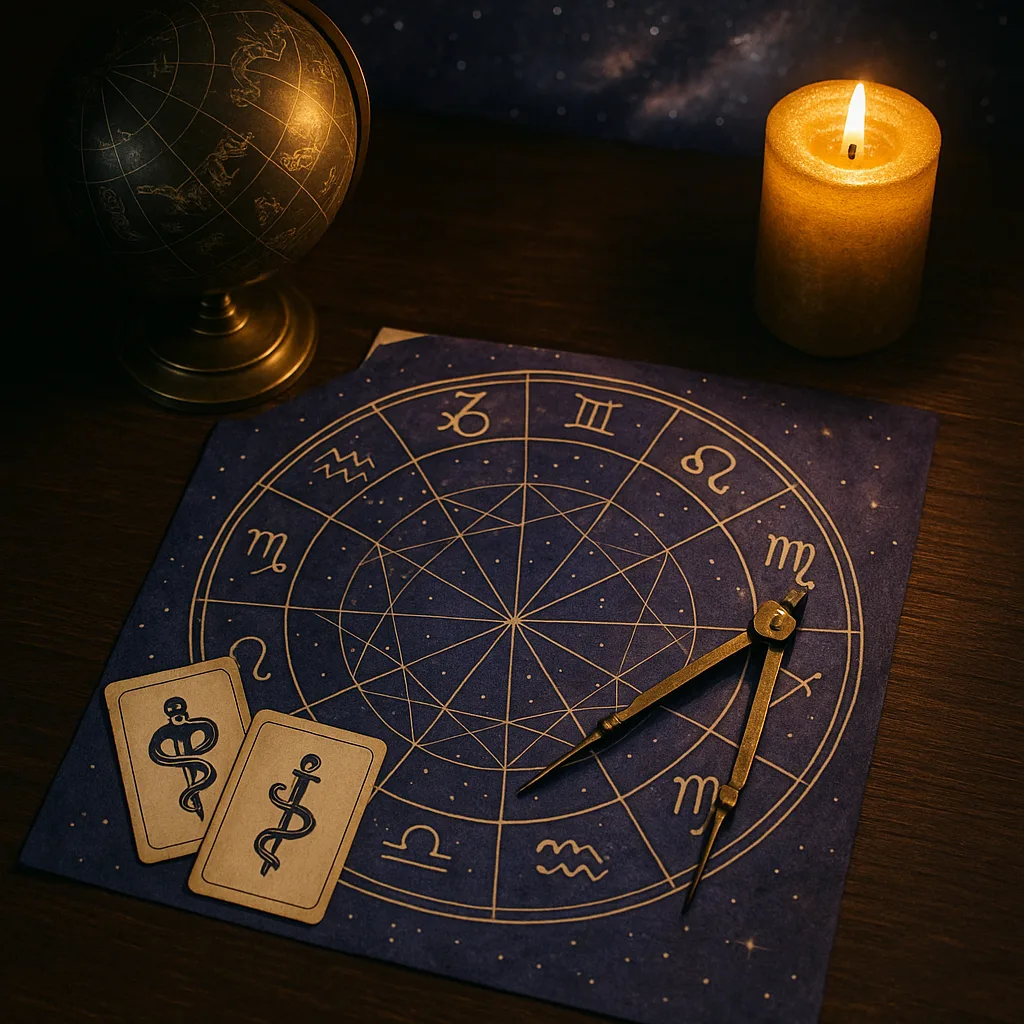
Myth 3: NASA discovered a 13th zodiac sign
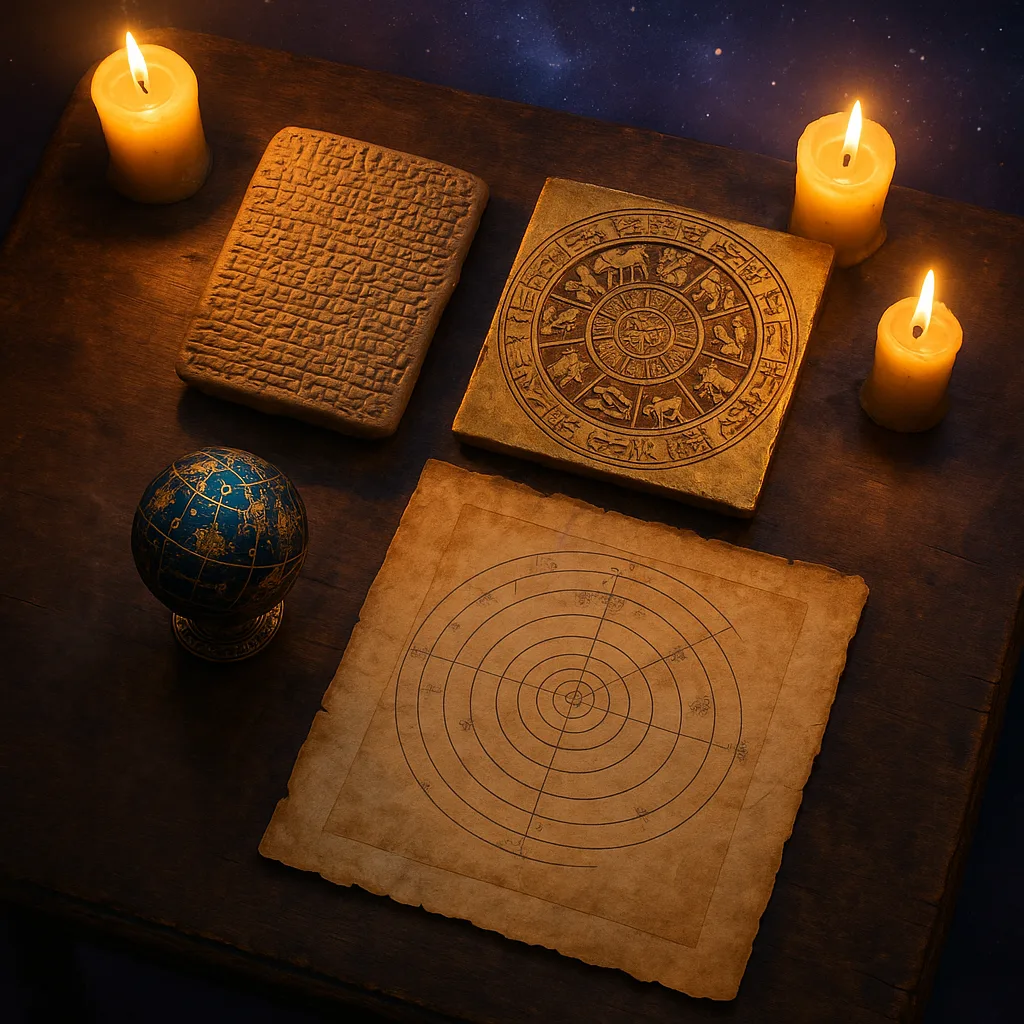
This rumor resurfaces online every so often, usually causing panic in anyone who's just gotten used to their sign. Its origin traces back to an educational NASA publication aimed at kids, explaining that the Babylonians — the people who created the zodiac roughly three thousand years ago — already knew that the Sun's path across the sky crossed thirteen constellations, not twelve. Since they used a twelve-month calendar, they decided to leave one out to make the numbers work neatly. Nothing changed recently; that decision is thousands of years old.
The confusion stems from an important detail few people stop to consider: constellations and zodiac signs are not the same thing. Constellations are clusters of stars with irregular sizes and shapes — Virgo, for instance, takes up a much larger slice of sky than Scorpio. Zodiac signs, on the other hand, are perfectly equal mathematical divisions of thirty degrees each, like time zones on the map of the zodiac. That's why NASA, when the rumor went viral again, had to publicly clarify that nothing had changed — they were simply revisiting math the ancient Babylonians had already worked out.
Meet Ophiuchus, the forgotten guardian
The constellation behind the supposed 'new sign' is real, and it has a name: Ophiuchus, the serpent bearer. The Sun crosses this region of the sky for about eighteen days, between late November and mid-December. In Greek mythology, Ophiuchus is linked to Asclepius, a physician so skilled he could reverse death itself — until Zeus, fearing he would upend the natural order, struck him down with a thunderbolt. Asclepius's symbol, a serpent coiled around a staff, survives today as an emblem of medicine. Quite the twist for anyone who thought Ophiuchus was a recent invention: it had been there all along, simply left out of the traditional count.
Myth 4: if the constellations shifted, my sign changed too
Here lies a real astronomical phenomenon called precession of the equinoxes: the Earth wobbles slowly on its axis, like a spinning top losing its balance, and this shifts the apparent position of the constellations over thousands of years. Because of this, someone who would have been born 'under' the constellation of Cancer a thousand years ago wouldn't be born under that same patch of sky today.
But this shift doesn't shake up tropical Western astrology, the most widely practiced system in the world — because it was never based on the literal position of the constellations, but on the seasons and the solar light cycle. Your sign remains exactly what it's always been, tied to the March equinox and the rhythm of the seasons, not to fixed stars. There's also the sidereal system, used mainly in Vedic astrology, which adjusts the zodiac to the actual position of the constellations — but even that system doesn't include Ophiuchus as an official sign. These are simply two different ways of reading the sky, each consistent within its own logic.
Myth 5: astrology claims to predict the future with scientific precision
One last misunderstanding deserves attention: treating astrology as if it were an exact science, able to pin down dates and events with calendar-level precision. Astrology itself, in its most serious tradition, has never claimed to do that. It's a symbolic language — a map of tendencies, cycles, and energies meant to inspire reflection, not deliver final verdicts about what will happen. Recognizing this difference doesn't diminish the practice's value; on the contrary, it's exactly what allows us to use it with maturity, as a tool for self-knowledge rather than an infallible oracle.
Looking at the sky with more curiosity and less certainty
Debunking myths doesn't disenchant astrology — it invites us to experience it more deeply. When we understand that the sun sign is just one note in a whole symphony, that Ophiuchus was always there without ever being 'discovered,' and that tropical and sidereal are simply two different languages describing the same sky, we gain a richer, less anxious relationship with this ancient tradition. In the end, perhaps the biggest lesson of all is this: the sky doesn't fit into a short sentence, and maybe that's exactly why we've kept trying to read it for thousands of years.

Recomendado
Estátua Gato Bastet Egito Antigo
Inspiração Egípcia Autêntica Representa Bastet, a deusa egípcia da proteção, harmonia e energia feminina.