Tarot from Scratch: How to Organize Your Study of the Major Arcana Without Getting Lost
Getting to know the 22 Major Arcana
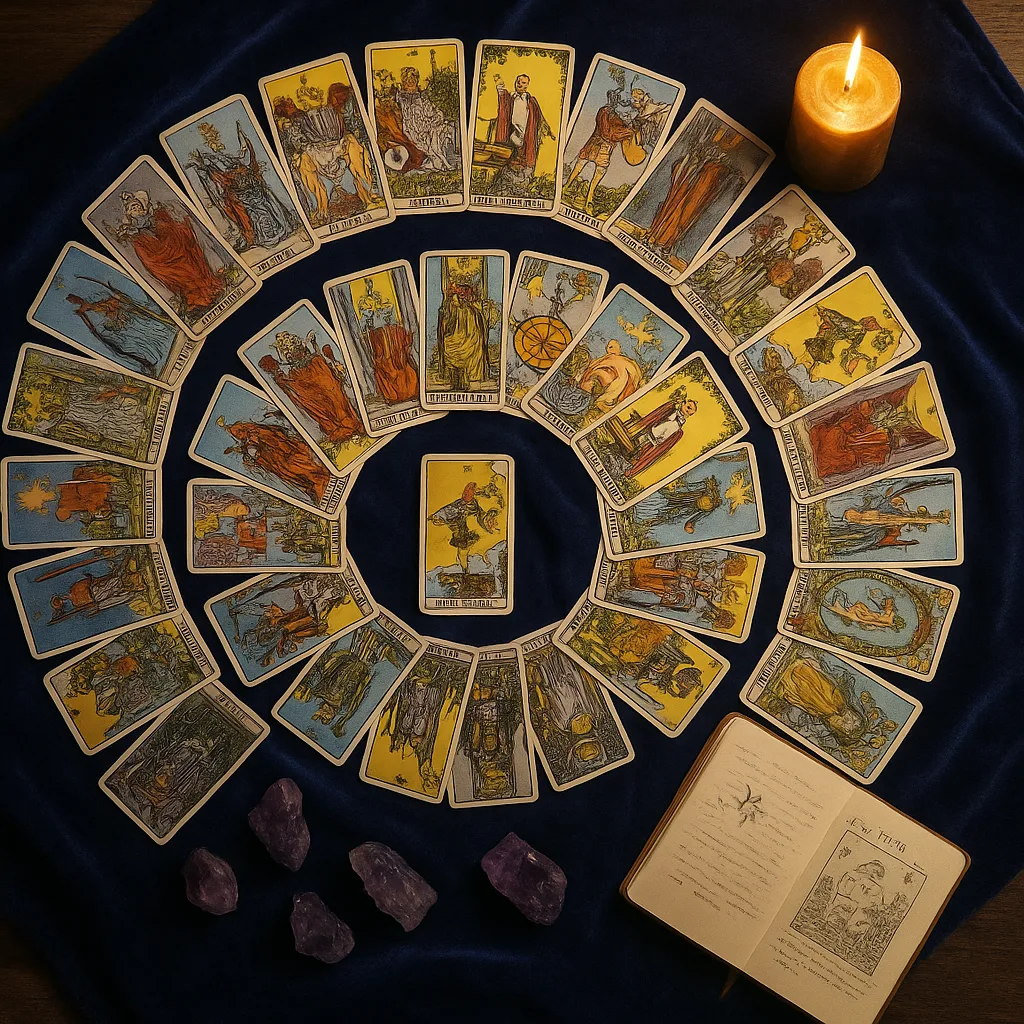
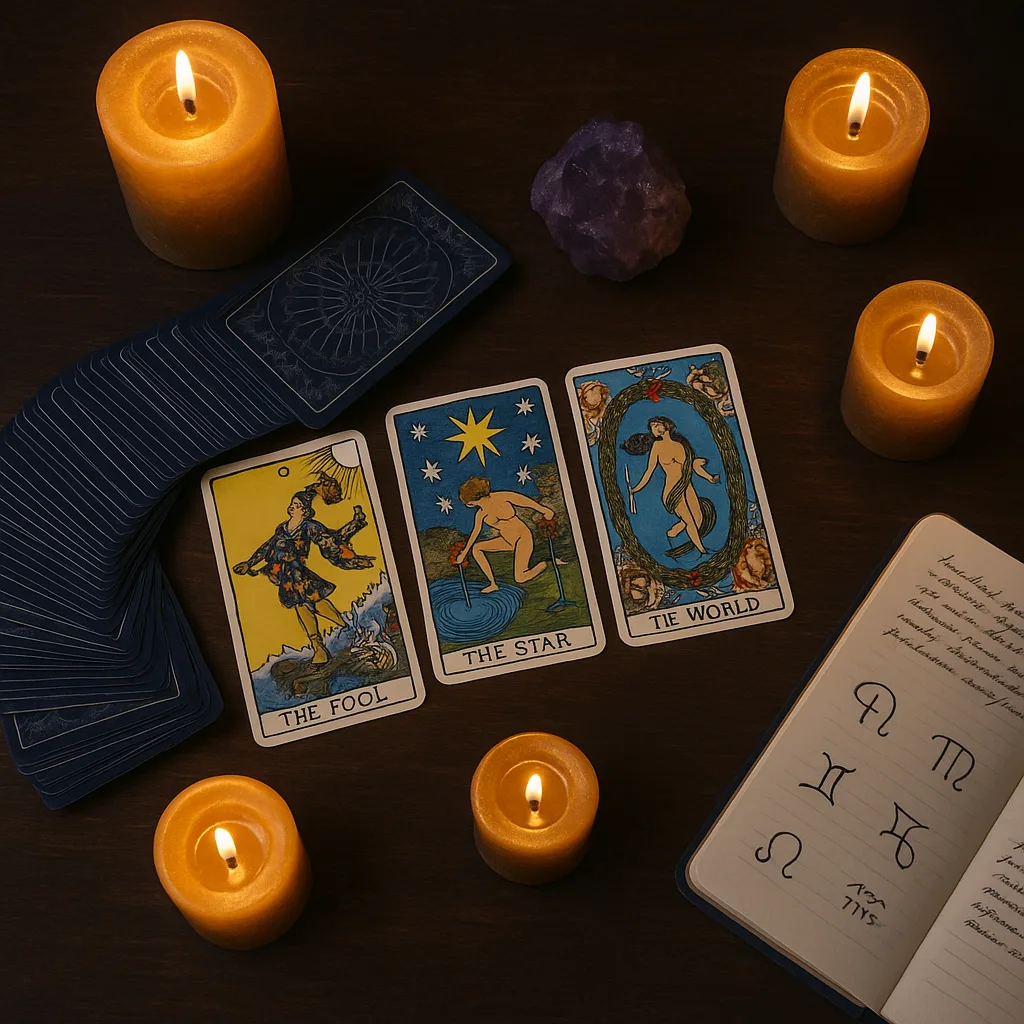
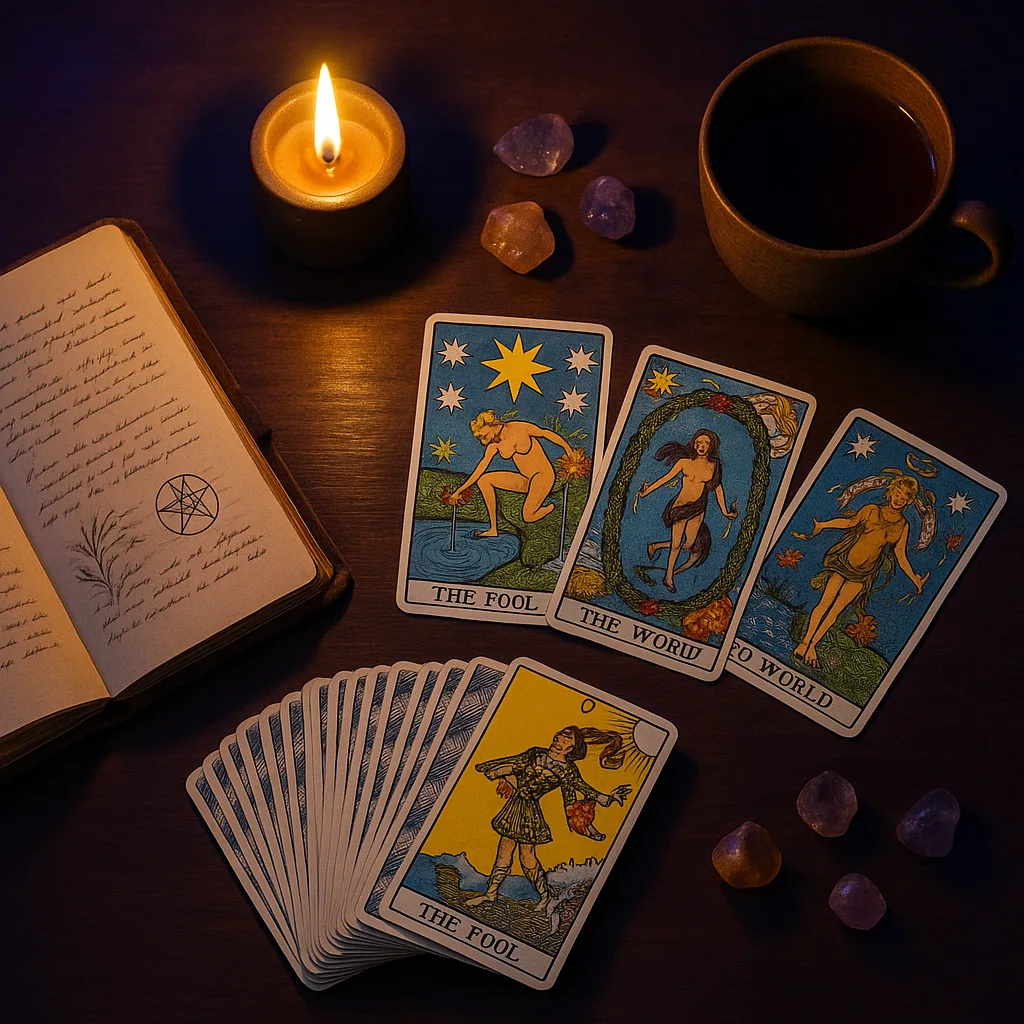
Here's the complete list, in the traditional order most commonly used — the same one followed by the Rider-Waite Tarot and, with small internal variations, the Tarot de Marseille:
- 0 — The Fool
- I — The Magician
- II — The High Priestess
- III — The Empress
- IV — The Emperor
- V — The Hierophant
- VI — The Lovers
- VII — The Chariot
- VIII — Justice
- IX — The Hermit
- X — Wheel of Fortune
- XI — Strength
- XII — The Hanged Man
- XIII — Death
- XIV — Temperance
- XV — The Devil
- XVI — The Tower
- XVII — The Star
- XVIII — The Moon
- XIX — The Sun
- XX — Judgement
- XXI — The World
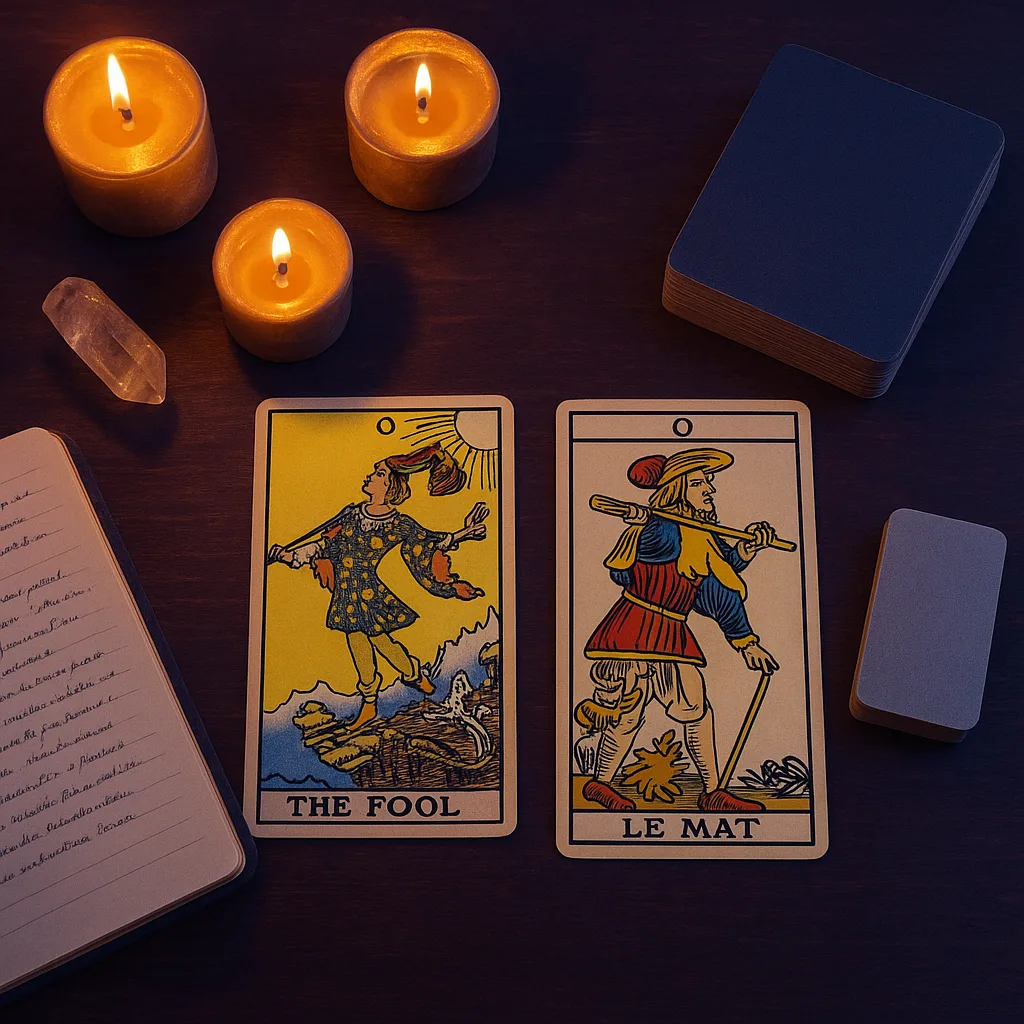
To get a sense of how each card holds multiple layers of meaning, think about The Fool: he speaks of new beginnings, enthusiasm, the courage to take the first step even without knowing exactly where you'll end up — in the Tarot de Marseille, he's associated with both the beginning and the end, with unconsciousness and with an uncertain fate. The Hanged Man, at first glance an uncomfortable image, is often read as an invitation to pause, to see things from a new angle, to embrace a kind of wisdom that only comes when we're forced to look at life from a different perspective.
Notice that none of these descriptions is final or set in stone. This might be the most important lesson for beginners: no card has a single, rigid meaning. The meaning of each Arcanum takes shape based on the context of the question, the card's position in the spread, and its combination with neighboring cards.
Upright or reversed: a detail that changes everything
Another point that tends to confuse beginners is the position of the card. When a card comes up upright, it's understood that the energy is entering the querent's life fully and actively. When it comes up reversed, the traditional reading is one of a setback: the same energy is still present, but weaker, blocked, or still in the process of maturing.
A simple way to remember this logic: upright cards tend to point to situations that are already developed, moving forward more directly; reversed cards point to what still needs to grow, be worked through, or overcome. It's not about good or bad omens — it's about the stage of maturity that energy has reached in the querent's life.
Where to start, in practice
With the overall structure in mind, the next step is building a study rhythm that doesn't turn into an obligation or generate anxiety. Here are a few suggestions that tend to work well for beginners:
- Choose a deck with richly detailed imagery. The Rider-Waite is often recommended for exactly this reason: every card, including the Minor Arcana, shows an illustrated scene that helps you sense meanings intuitively even before memorizing any theory.
- Start with the Major Arcana. Since they hold the big archetypes, it's easier to build a solid foundation of meaning before diving into the 56 suit cards.
- Study one card at a time, without rushing. Look at the image before reading any established meaning: what colors appear, what gestures the figure makes, what elements surround them. Then compare your first impression with what reference books say.
- Keep a study journal. Writing down your own associations, dreams, and intuitions about each card builds a personal symbolic vocabulary — something just as valuable as any book.
- Pull one card a day. A simple little ritual: draw a card in the morning and notice how its theme shows up, in some way, throughout your day. It's a light way to practice reading without feeling overwhelmed.
Tarot isn't a system meant to be mastered overnight, and that might be the most beautiful part of the process: each card reveals itself in layers, as you yourself grow alongside it. Start slowly, allow yourself to get interpretations wrong, come back to the cards with fresh eyes months later. The deck, patient as ever, will be waiting for you to get closer.
Studying Tarot is, at its core, an exercise in listening — first to the image, and then to yourself.

Recomendado
Lewtemi Espelho de tarô acrílico tarô
Lewtemi Espelho de tarô acrílico tarô cartão decoração de parede mística presentes de bruxa para mulheres espaço sagrado cartomante espiritualidade astrologia bruxa magos arte decoração