The 13th Sign, ‘Astral Hell’ and Other Astrology Myths, Debunked
You don't have just one sign — you are the whole zodiac
If there's one misunderstanding that urgently needs clearing up, it's the idea that a person can be summed up by a single sign. This might be the oldest and most repeated myth of all, born out of a practical shortcut: figuring out your Sun sign doesn't require any complex calculations, just your birth date.
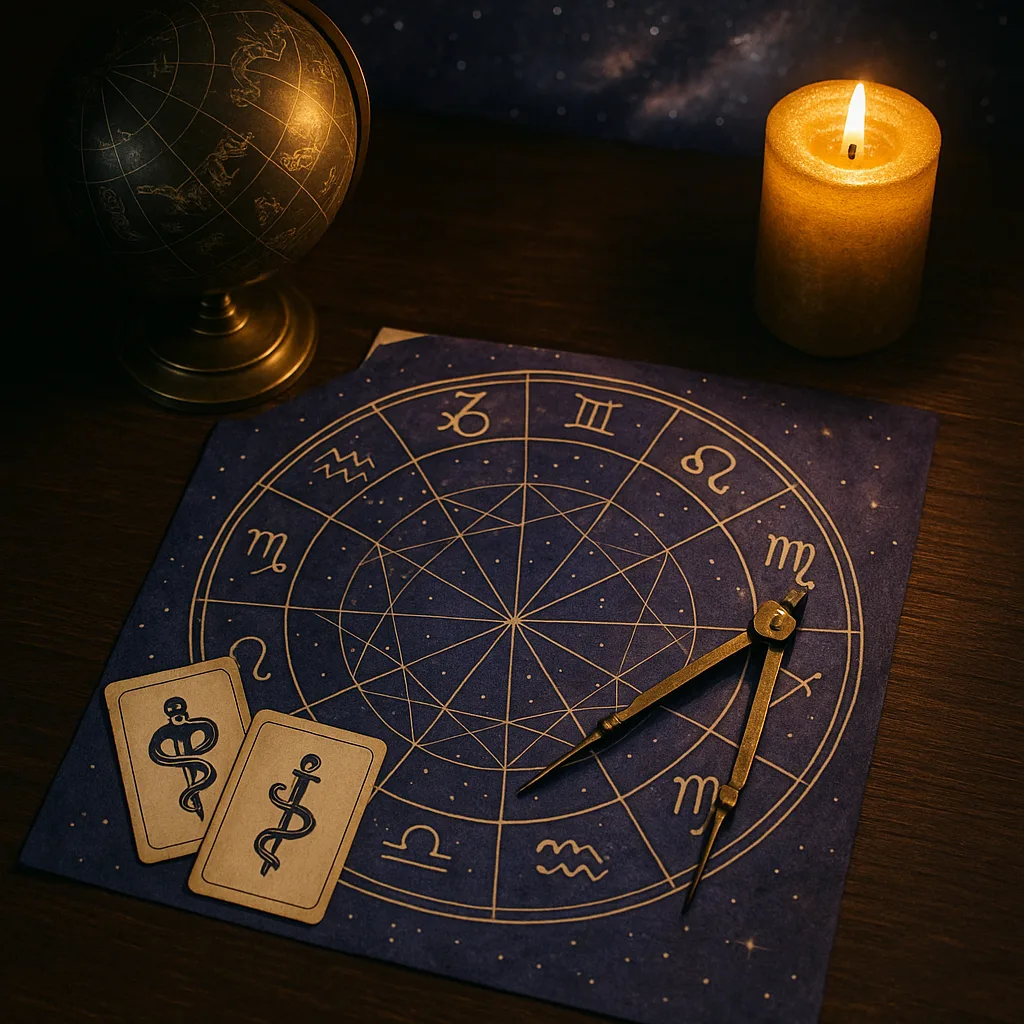
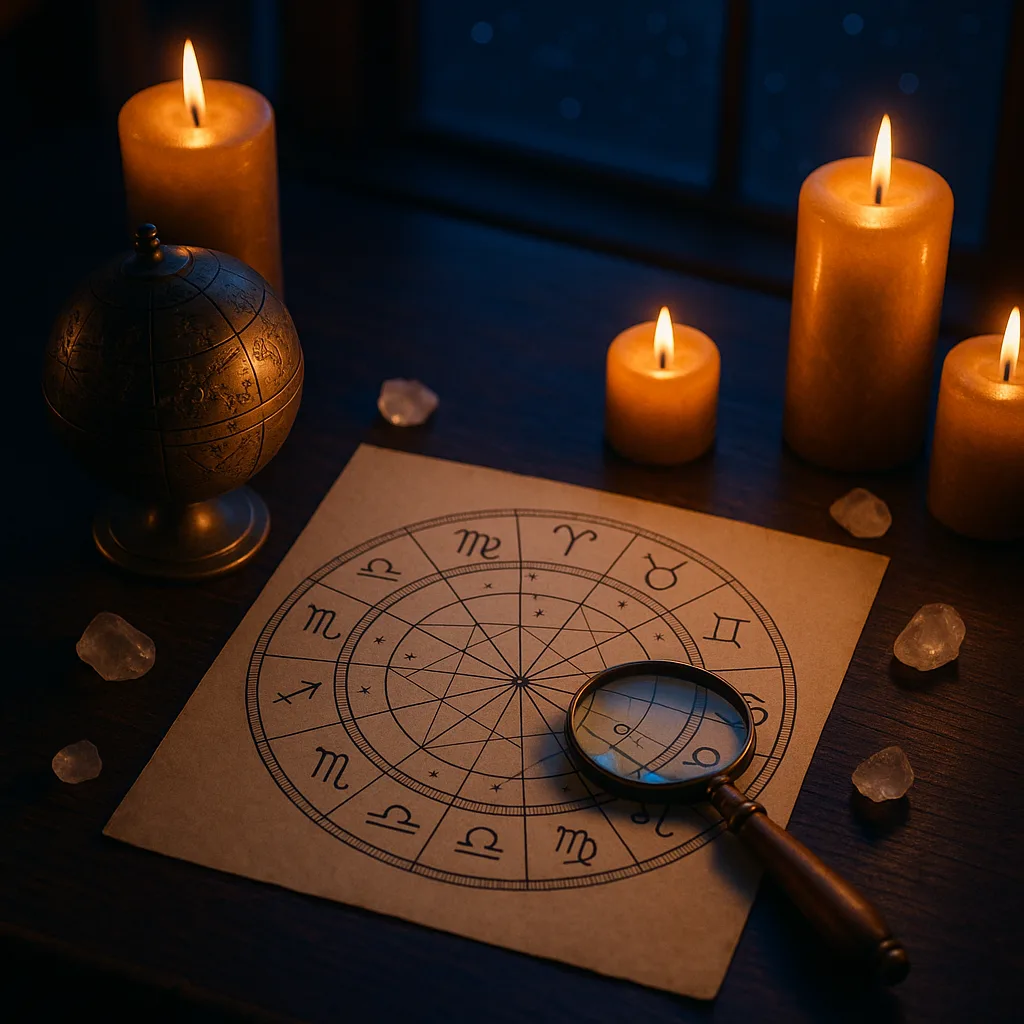
But your full birth chart — that richly detailed circular map representing the sky at the exact moment you were born — shows that all twelve signs are present in your symbolic life, each one occupied by a different planet, point, or astrological house. Your Sun sign, the one you've probably already memorized, only tells you where the Sun happened to be positioned at that moment. It speaks to your core essence, your vitality, the light you want to shine into the world — but it's far from the whole story.
Your Moon, for instance, might sit in a water sign, revealing deep emotional sensitivity even if your Sun sits in a more rational air sign. Your rising sign, calculated from your exact birth time, shapes how you present yourself to the world. Venus, Mercury, Mars, and the rest of the planets each occupy their own positions, forming a mosaic far more intricate than any sign stereotype could ever capture.
That's why two people who share the same Sun sign can be so different from one another: astrology was never meant to work with twelve neat, closed-off boxes — it works with practically infinite combinations. Understanding this is a generous invitation: you don't need to squeeze yourself into one magazine-style description to recognize yourself in the sky.
Does 'astral hell' really exist?
Another phrase that's taken on a life of its own in Brazilian pop culture is the infamous 'astral hell' — the month leading up to your birthday that, according to popular belief, is automatically doomed to bring confusion, delays, and setbacks. As entertaining as this idea is, it doesn't actually have a solid foundation in classical astrological tradition.
What does exist is a symbolic cycle-closing period: in the weeks before your solar birthday, the Sun returns to the exact position it occupied the day you were born. This movement, known as your solar return, symbolically marks the end of a twelve-month cycle, and yes, it can bring on a stronger sense of introspection, reflection, and life review — but that's a very different thing from a guaranteed sentence of chaos.
Many astrologers prefer to describe this phase as an invitation to pause and reflect, rather than an automatic curse. Treating this period as a fertile moment to look back, recognize what's blossomed, and release what needs to go tends to be far more rewarding than dreading it in advance. After all, the sky rarely deals in punishment — it deals in cycles, invitations, and lessons.
An invitation to look at the sky with more curiosity and less fear
Clearing up these myths doesn't take away astrology's magic — quite the opposite, it restores the depth it truly deserves. Understanding that the zodiac is a symbolic language, that your chart is far richer than a single sign, and that no phase of life is doomed from the start, are all important steps toward a more mature, welcoming relationship with the sky. May every new bit of curiosity you come across along the way inspire study and wonder, rather than fear.

Recomendado
Estátua Gato Bastet Egito Antigo
Inspiração Egípcia Autêntica Representa Bastet, a deusa egípcia da proteção, harmonia e energia feminina.